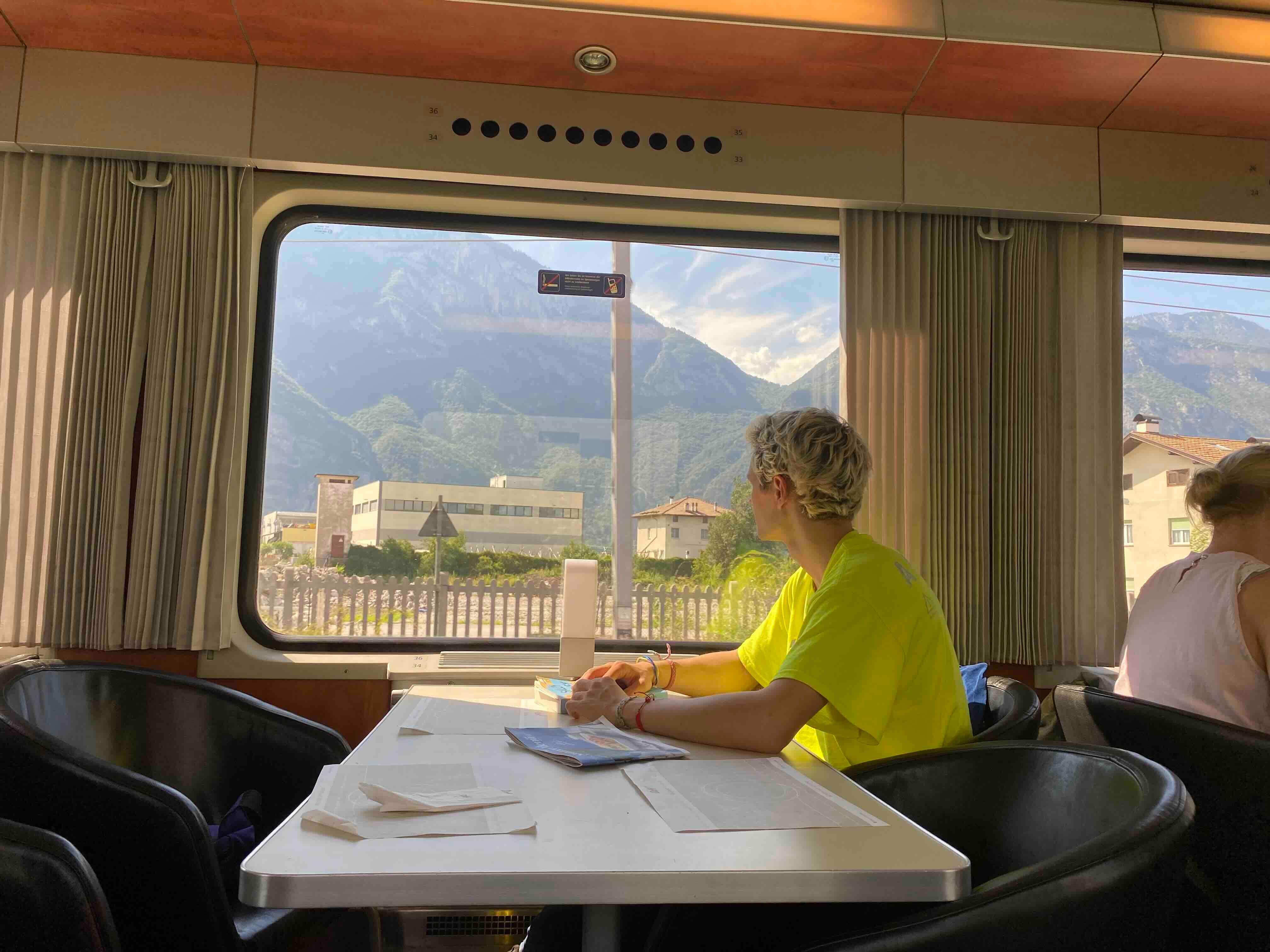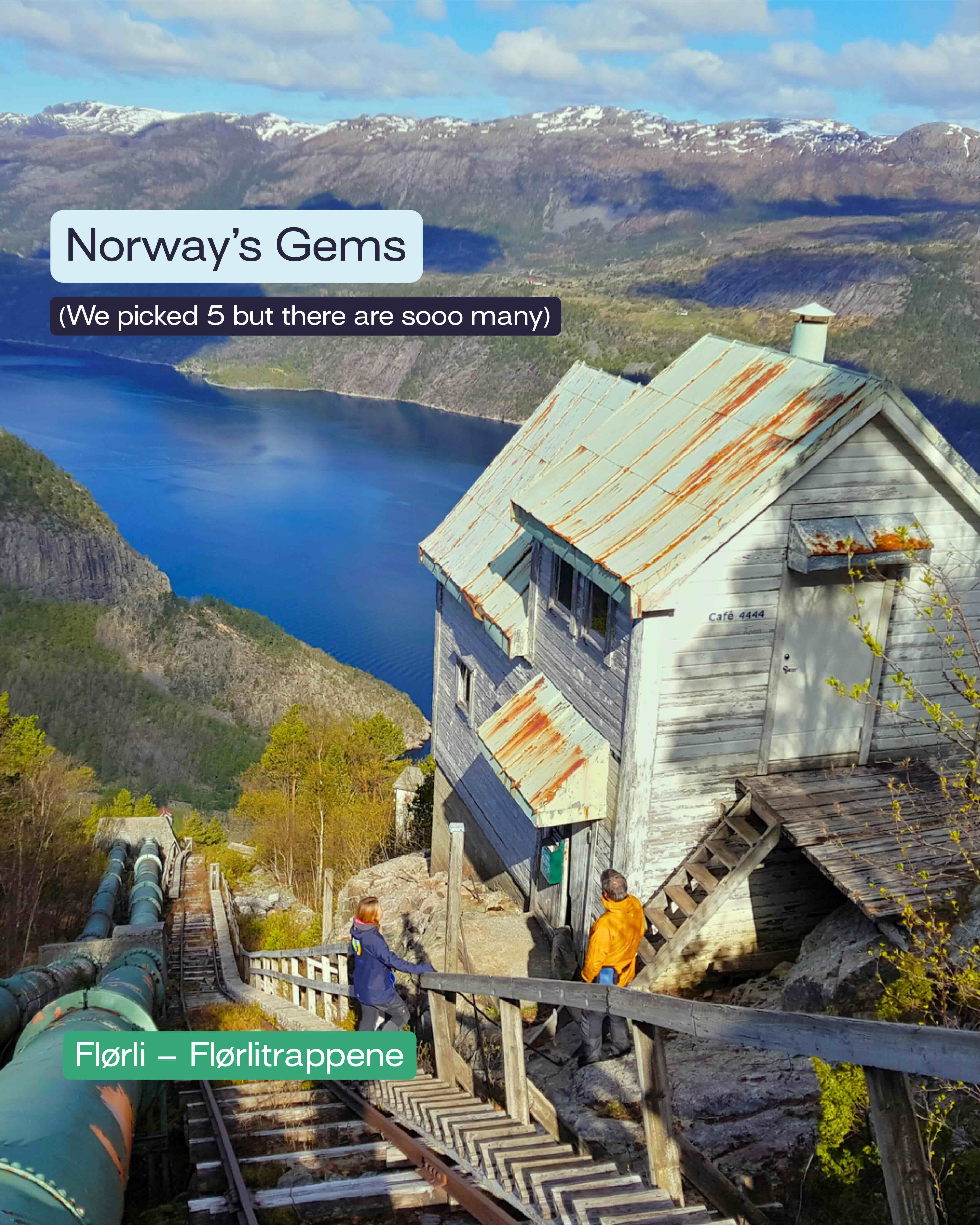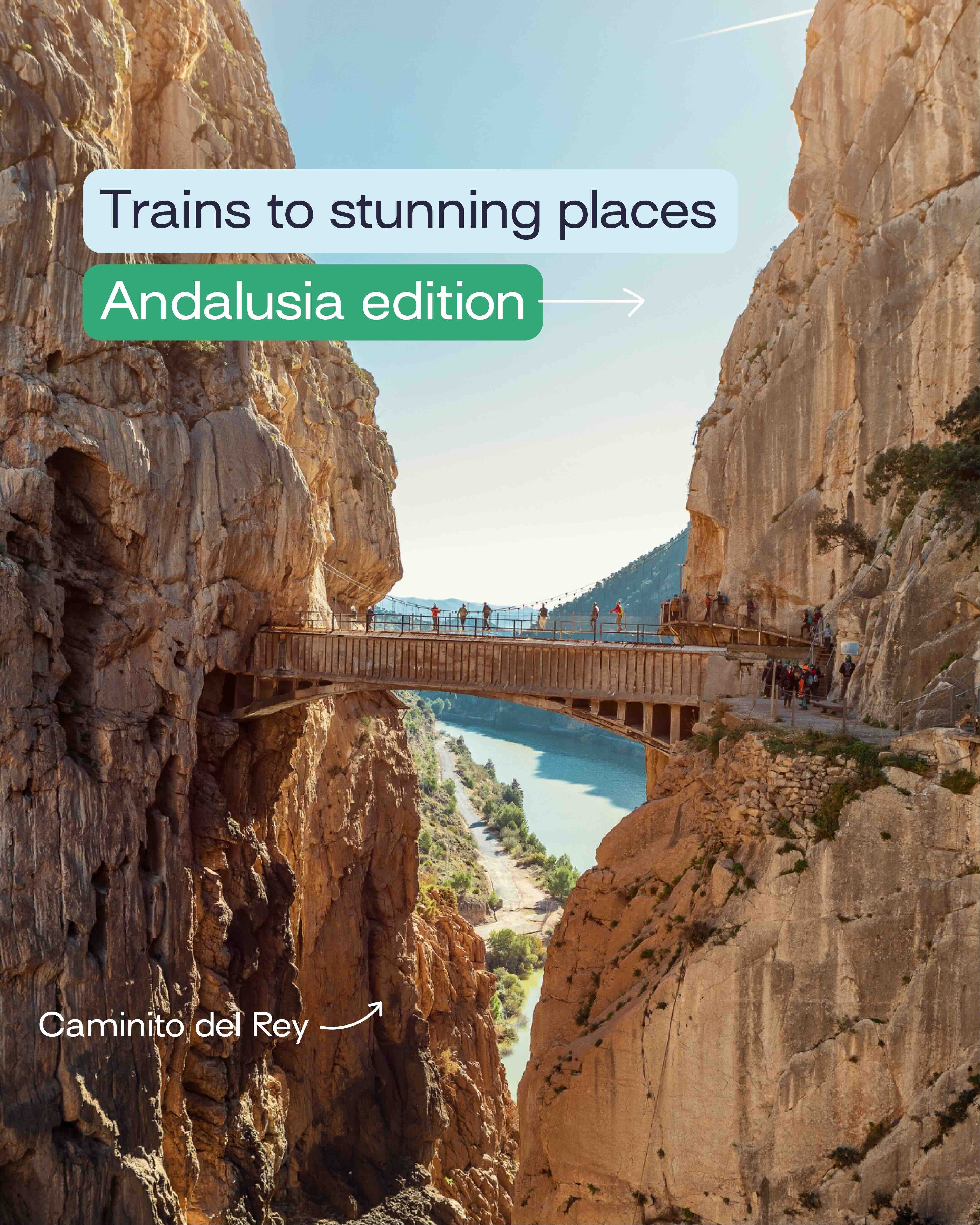
Travel through Europe on rails and feel the full range of its landscapes and cultures. These five routes cover different parts of the continent and offer simple, direct ways to explore nature, city life, and coastlines without flying. Each one shows how easy it is to reach unforgettable places by train. The journeys take you from the far north near the Arctic Circle to the warm shores of the Mediterranean. For many young travellers, moving by train is one of the best ways to discover what Europe really looks and feels like. The views are not just pretty. They show the soul of the countries passed through. They unlock access to people, stories, and local life. These routes allow travellers to sit back and watch Europe unfold outside the window in real time.
Travelling by rail brings freedom. There is no rushing through airports or waiting in long lines. Just clean air, space to breathe, and time to enjoy the ride. On these routes, the train becomes more than a way to get from one place to another. It becomes part of the adventure. The train slows things down in the best way, giving space to spot small towns, snowy peaks, or quiet beaches. Here are five journeys that anyone who loves Europe should experience at least once.
Inverness to the Highlands
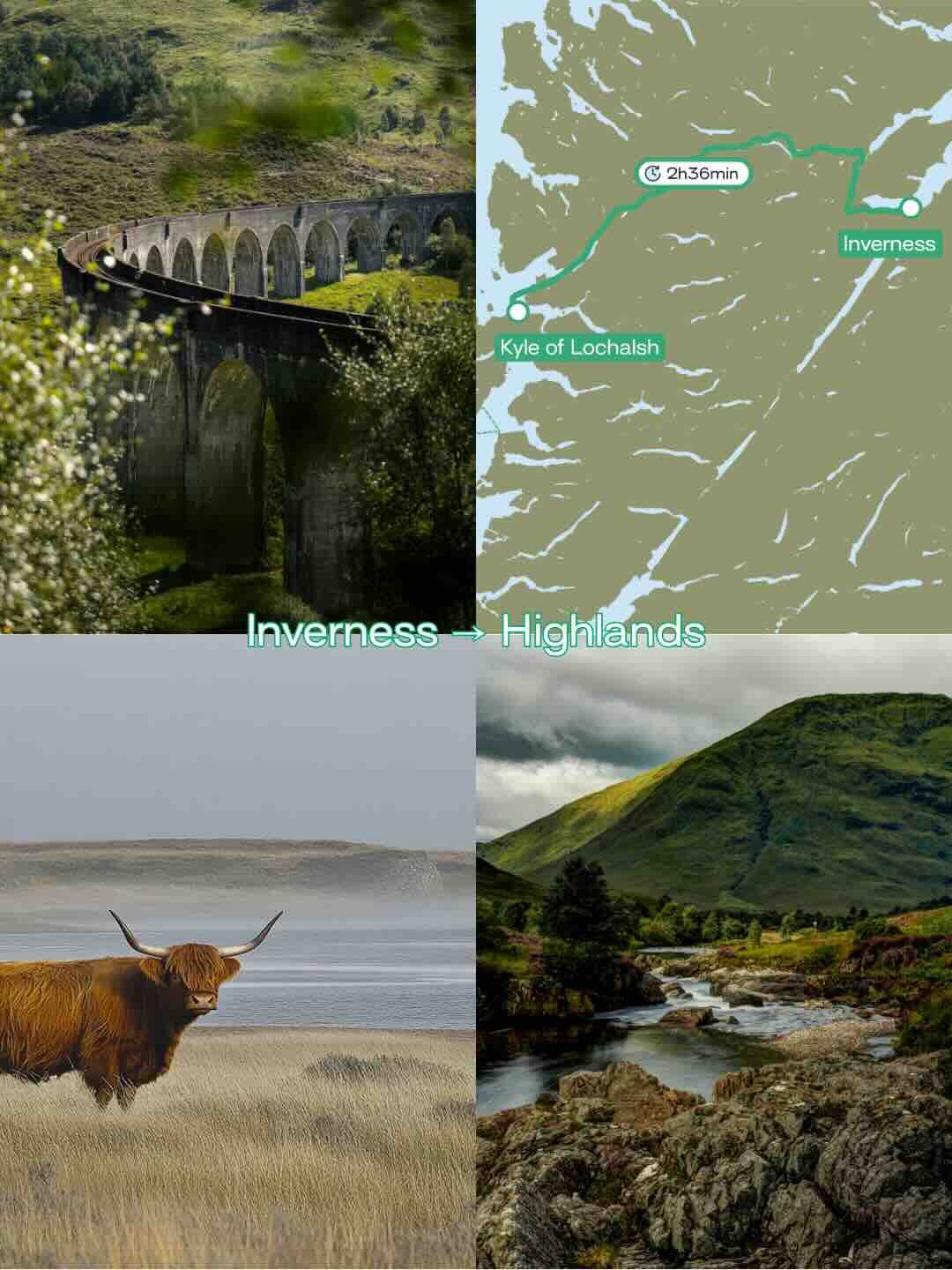
The journey begins in Inverness, the capital of the Scottish Highlands. This small city is known for its stone buildings, calm river views, and historic charm. It is the perfect gateway to the wild north. From the train station, everything feels both ancient and relaxed. Inverness is easy to explore on foot. There are bakeries, bookshops, and pubs filled with stories. The city sets the tone for what comes next.
The route from Inverness to Kyle of Lochalsh is simple, peaceful, and breathtaking. The train takes travellers deep into the Highlands, passing through rugged landscapes shaped by time and weather. There are sweeping views of lochs, valleys, and mountains. The train moves slowly, so there is plenty of time to take it all in. This line is special because it feels like time has paused. No rush. No noise. Just pure nature stretching as far as the eye can see. The seats feel more like front-row tickets to a nature show.
The journey ends in Kyle of Lochalsh, a small town on the west coast. It sits right by the sea, with views toward the Isle of Skye. There is a softness in the air and a sharp, salty smell that feels like freedom. Kyle of Lochalsh is not busy, but that makes it perfect after hours in the wild. It is a place to breathe and wander. Many use it as a base to cross the bridge to Skye, but the town itself has a calm charm worth enjoying.
Bologna to Puglia
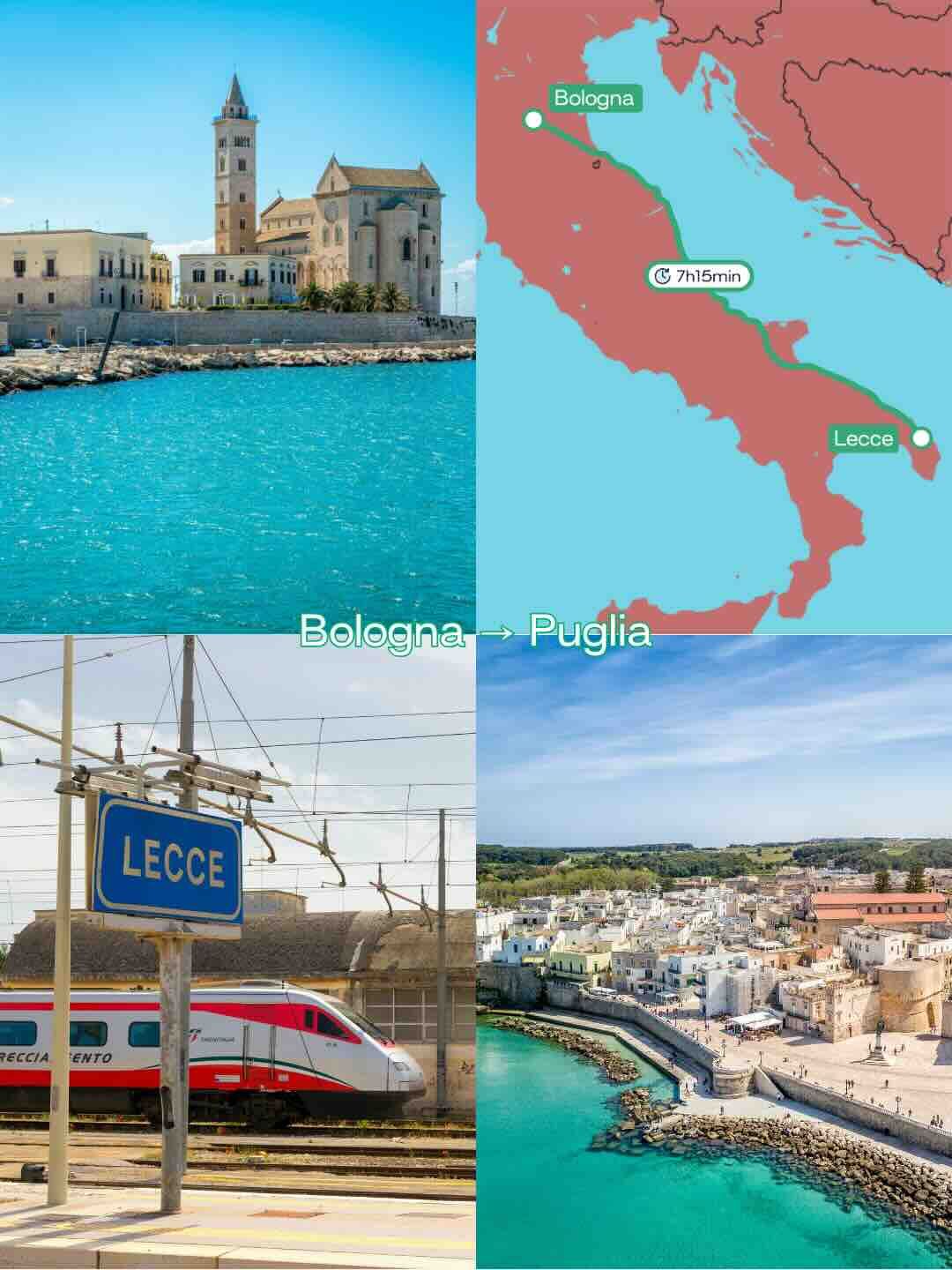
Bologna is a city built on food, culture, and warm colors. It has long arcades, medieval towers, and one of the oldest universities in the world. The streets are lined with markets and trattorias serving simple dishes full of flavor. Bologna mixes student energy with history. The train station is close to the city center, making it easy to roll in and roll out.
The route from Bologna to Lecce covers nearly the full length of Italy. This journey goes from the lush north, through the heartlands, and down to the sun-filled heel of the country. On the way, travellers see vineyards, coastal towns, wide fields, and olive groves. It is one of those routes where the view changes every hour. The train offers a chance to learn how Italy’s landscapes shape its culture and food. This route stands out because it brings a slow shift in atmosphere and temperature. North to south. Cool to warm. Subtle to bold.
The final stop is Lecce, a city known for its golden light and baroque buildings. Lecce feels like a museum without walls. The streets are lined with churches and squares filled with life. The warmth is not just in the air but in the stone itself. It is a place to sit on a terrace, drink a coffee, and listen to the sounds of the city. Lecce is close to the sea and makes an ideal base for exploring the rest of Apulia. It is a joyful place that rewards slow travel and open eyes.
Stockholm to Narvik
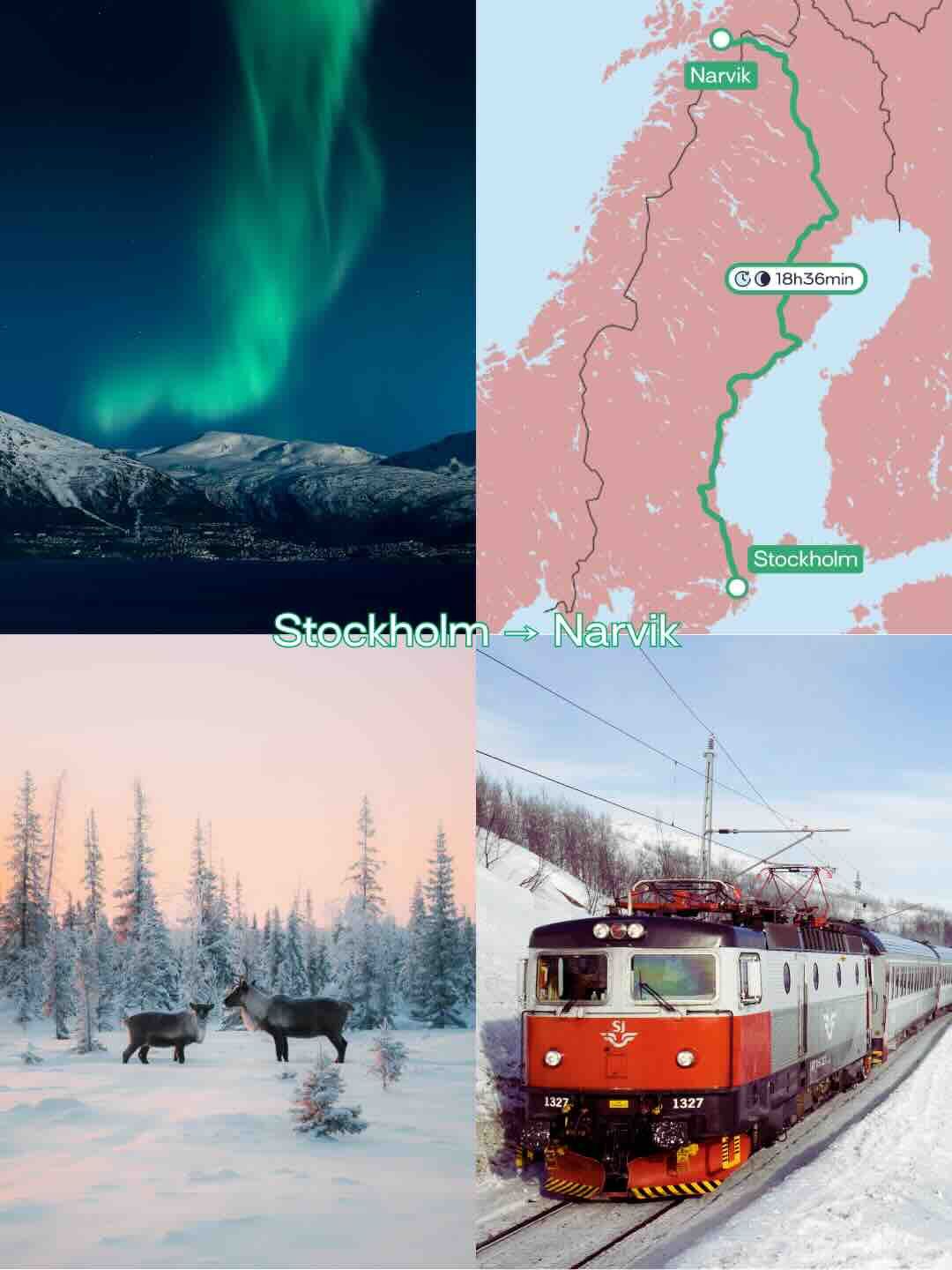
Stockholm is spread over islands and linked by bridges, giving it a unique balance between water and stone. It is clean, modern, and rich in design. The old town, Gamla Stan, has narrow streets and pastel houses. The rest of the city feels fresh and green. Stockholm is a great place to start a journey because it is both lively and calm. Everything works, and the train connections are strong.
From Stockholm, the train goes north through Sweden. The route is one of Europe’s most dramatic. The forests grow thicker, the lakes widen, and eventually, snow-covered peaks come into view. This line crosses the Arctic Circle, and the light shifts as the train gets closer to the far north. The route ends in Norway, showing how the landscape changes at the border. This journey is special because it takes travellers not just across distance, but through climate and light.
Narvik is the final stop, a town surrounded by fjords and mountains. The air feels crisp, and the water is deep blue. In winter, the northern lights dance overhead. In summer, the sun barely sets. Narvik is not a big city, but it has a wild calm that invites deep rest. It is a place for hiking, fishing, and listening to silence. Narvik rewards those who want nature in its purest form.
Madrid to Cádiz
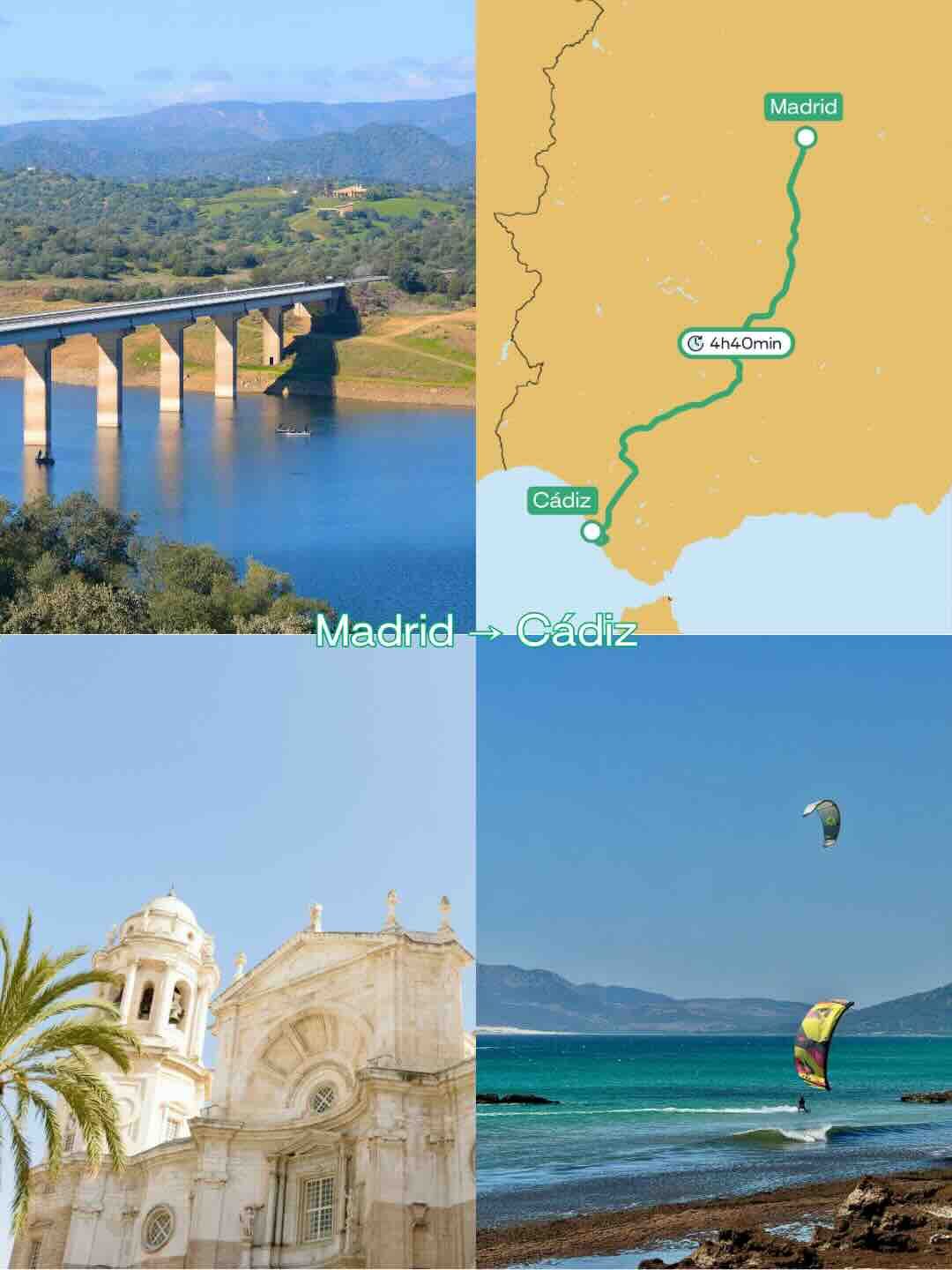
Madrid is full of energy. Wide boulevards, bold buildings, and lively cafés fill the city. Art lovers wander Prado and Reina Sofia. Food lovers try tapas in every bar. Madrid moves fast, but with style. Its central station is a gateway to all parts of Spain, and this journey heads south.
The train from Madrid to Cádiz passes olive groves, vineyards, and dry plains. The air gets warmer, and the sky seems to open. This route cuts through the heart of Andalusia. Stop after stop shows a different face of Spain, from stately cities to rural fields. It is one of those journeys where music, food, and color seem to shift along with the weather. What makes this line so special is the way it connects the capital to the coast, linking culture with coastlines.
Cádiz is the final stop. A city surrounded by the Atlantic, it feels older than time. The sea air is full of salt and orange blossoms. Life slows down here. The streets are narrow, and the buildings glow white under the sun. Cádiz is known for seafood, sunsets, and a timeless charm. It is a place to wander, swim, eat, and repeat.
Vienna to Split
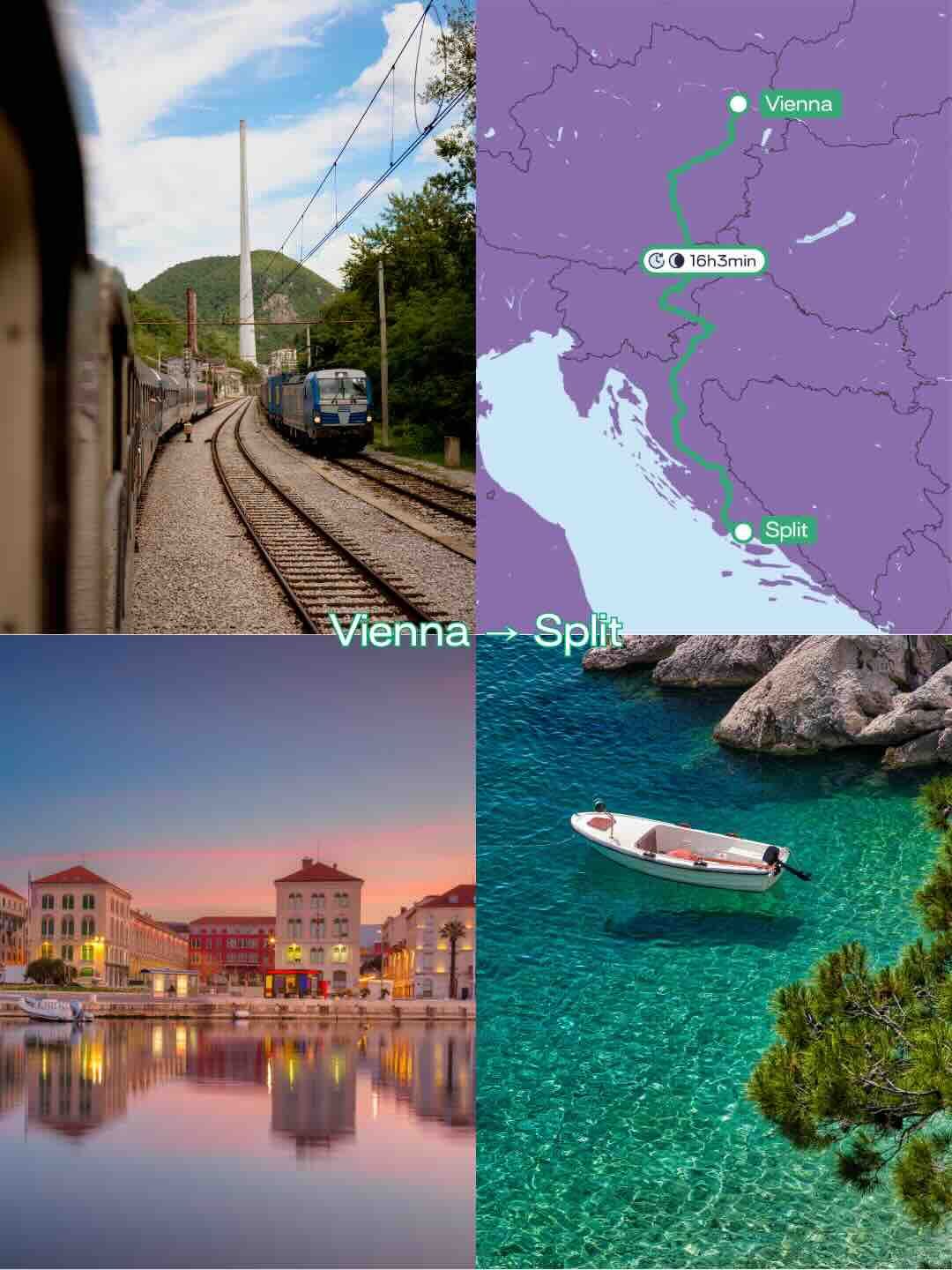
Vienna is elegant and orderly. The city is filled with grand buildings, green parks, and smooth coffee houses. Music floats through the air, and everything feels balanced. Vienna makes an excellent departure point because it blends culture with comfort. The main station is modern and easy to navigate.
This route is taken on an overnight train. Leave Vienna in the evening and wake up near the coast. The journey south offers glimpses of the Alps and dark forests. As the train moves on, the air grows softer, and sounds change. This route is special because it connects central Europe to the Mediterranean in one sleep. It is the perfect mix of alpine strength and coastal grace.
Split is the end of the line. A city by the Adriatic Sea, it mixes ancient history with beach life. The old town is built around a Roman palace, and the streets feel like a maze. Palm trees line the promenade, and boats bob in the harbor. Split is lively but relaxed. It is a great place to swim, eat seafood, and feel the sun on your skin. The sea and mountains meet here, making it a true reward at the end of a long ride.
Happy traivelling ☺️🚅🌿
29.10.2025